A study in form & feeling
Buddhas
by Rebecca

An invitation to look
Buddha-inspired sculpture, painting and decorative art invite a closer look at the relationship between a form, its surface and the space around it.
Explore the blogIllustrative form study.
Not an available artwork.
Begin with the surface.
Stay for the details.
Materials influence the way an artwork meets the eye. A polished surface gathers light; a textured one scatters it. In sculpture, a shift from a broad curve to a sharp edge can be as expressive as color in a painting. Looking slowly makes those small decisions easier to notice.
The Buddha-inspired theme brings questions of image and context alongside those visual qualities. An outline may be familiar, but familiarity is not the same as understanding. Let the work’s documented background guide your interpretation, and leave space for traditions and meanings beyond a first impression.
This is an approach to looking, rather than a claim about a particular object. When a work interests you, separate what you observe from what you would need to learn: its medium, dimensions, maker and history should come from reliable information about that work.
02 / Two ways of seeing
Volume.
Then color.
A form in the round
A sculpture has no single viewpoint. Walk around a work when you can, watching how its outline, empty spaces and shadows change. Even a compact shape can create a strong relationship with its support.
Illustrative study / shape and balance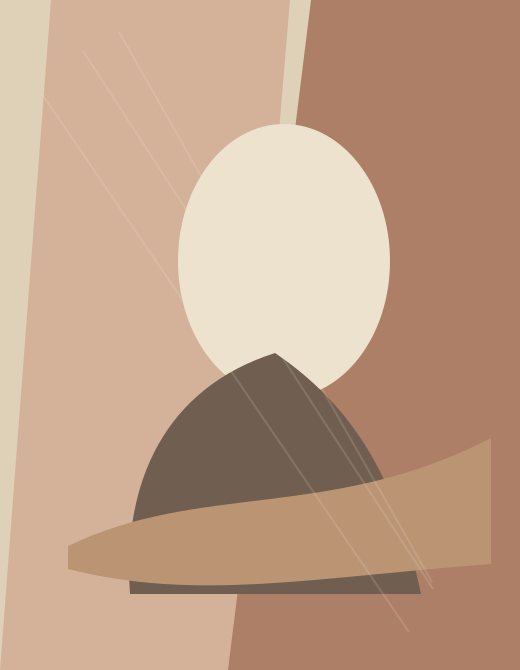
A surface with depth
In a painting, overlapping color can suggest depth without physical volume. Look for where one area meets another: a soft boundary, a visible stroke or a strong contrast can change the pace of the whole image.
Illustrative study / color and overlap03 / The space around the work
Give the eye
a place to pause.
Display is a relationship, not simply an empty spot to fill. A support, a nearby wall and the distance from the viewer all affect how an artwork is read. Notice whether an object can be seen clearly and whether its surroundings compete with its outline.
Begin with fewer elements. Compare the object against a quiet background, then consider how another color or texture changes the view. Keep practical questions separate from appearance: stability, light exposure and care depend on the actual materials and the guidance supplied for the individual work.
For Buddha-inspired imagery, thoughtful display also includes cultural awareness. A visual motif has a context beyond interior decoration. Learning about that context can deepen attention to the image without requiring a claim that an object will produce a particular feeling or spiritual result.
04 / Continue reading
From looking to exploring.
The site’s reading sections extend beyond this visual introduction. Browse their published titles and choose the subjects you want to investigate in more detail.
01Blog
Browse the published reading archive.
02Other
Explore the wider collection of articles.
Notes for the curious
A few questions,
considered.
What is Buddhas by Rebecca about?
Buddhas by Rebecca is centered on Buddha-inspired sculpture, painting and decorative art. This introduction considers those subjects through form, material, color and display. It offers a starting point for looking closely, while the reading sections provide a route into the wider published content on the site.
How do sculpture and painting offer different experiences?
Sculpture occupies space and changes as you move around it; painting organizes an image within a surface. Looking at both can sharpen your attention to outline, shadow and balance. Neither medium needs to imitate the other: a simple contour and a richly worked surface can be equally engaging.
What should I notice in a sculptural surface?
Begin with the way light meets the surface. Smooth areas may reflect a clear highlight, while rougher textures break that light into smaller changes. Then look at edges, tool marks and transitions between shapes. These observations describe what you can see without assuming a particular material or making history claims.
Does a Buddha-inspired image have one fixed meaning?
No single visual reading can stand in for every Buddhist tradition or every artist’s intention. Context matters, including the image’s origin and the way it is presented. Approach unfamiliar symbols with curiosity and respect, and seek reliable cultural context before assigning a specific religious meaning to an artwork.
How can I think about the scale of an artwork?
Consider the relationship between the object, its support and the space around it. A small form may invite close viewing, while a larger piece can be read from across a room. Dimensions, viewing distance and surrounding objects all affect that relationship; a photograph alone may not communicate it clearly.
What makes a display feel considered?
A considered display gives an artwork room to be seen and a stable, appropriate support. Notice nearby colors, sightlines and the direction of light before adding more objects. Keep cultural context in mind as well as appearance. For a particular object, follow its documented handling and care guidance.
Are the illustrations on this page artworks for sale?
No. The abstract form and color study on this page are illustrations used to introduce visual ideas. They are not a catalogue of available artworks, and they do not establish an artist, material, provenance or price. Treat them as prompts for looking at shape and surface.
Where can I continue reading?
Use the Blog and Other links to browse the site’s published pages. Their titles help you choose a subject that interests you. This homepage introduces the visual-art theme; the reading sections cover a broader range of material, so check each article’s title and context as you explore.